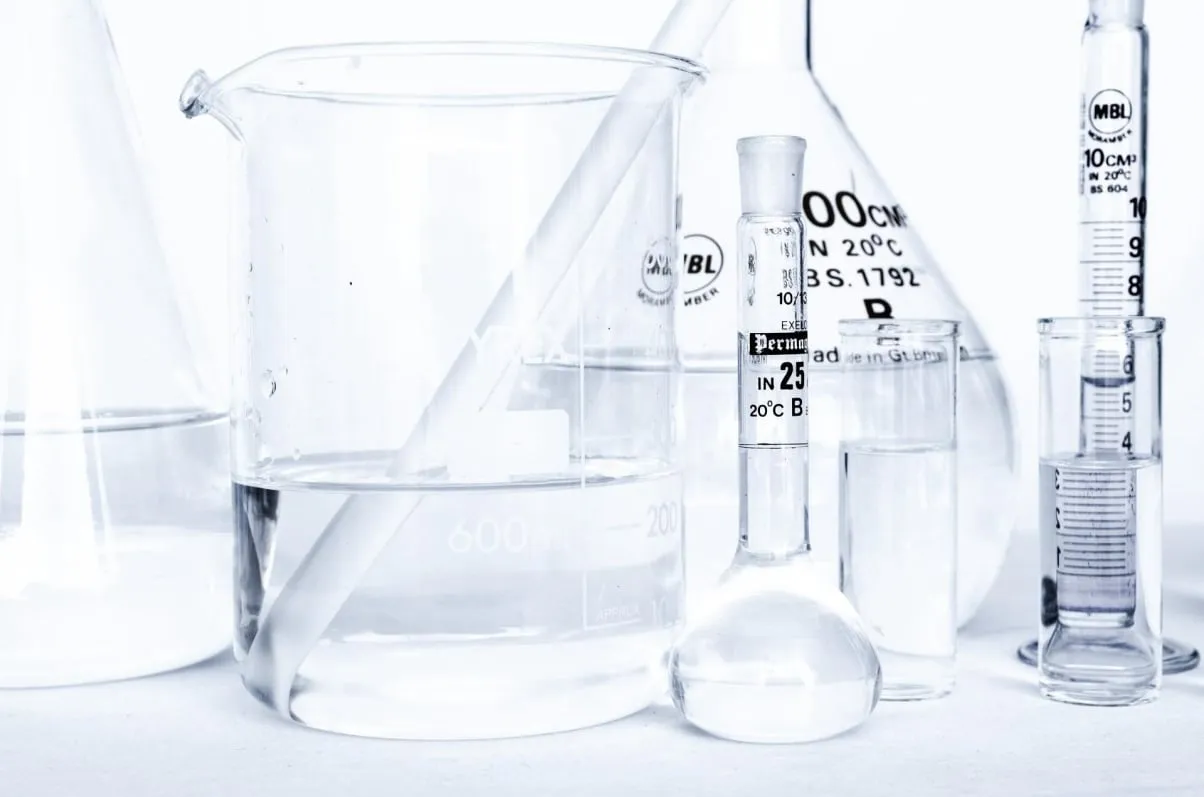
In pharmaceutical manufacturing, maintaining a controlled, sterile, and easily sanitised environment is critical. Every surface, material, and fixture within a clean room must support strict hygiene and contamination control standards. Among the various materials available, stainless steel cladding stands out as one of the most effective and compliant options for clean room construction and wall protection.
This article explores why stainless steel is the preferred choice for pharmaceutical clean rooms and how it supports long-term hygiene, durability, and regulatory compliance.
What Is a Pharmaceutical Clean Room?
A pharmaceutical clean room is a highly controlled environment designed to minimise the presence of airborne particles, bacteria, and other contaminants. These rooms are used in the production of medicines, vaccines, and medical devices—where even microscopic contamination can compromise product quality or patient safety.
To achieve this, clean rooms are built using materials that are smooth, non-porous, corrosion-resistant, and easy to clean. Stainless steel cladding meets all these requirements, providing a durable and hygienic surface that can withstand repeated sterilisation cycles and chemical exposure.
1. Superior Hygiene and Cleanability
The foremost benefit of stainless steel cladding in pharmaceutical clean rooms is its exceptional hygiene performance. Its non-porous surface prevents the absorption of moisture, dirt, and microorganisms, making it simple to clean and disinfect.
Unlike painted or laminated surfaces, stainless steel does not chip, flake, or degrade under regular cleaning, even when exposed to alcohol-based disinfectants or hydrogen peroxide vapour. This ensures a sterile, low-maintenance surface that meets Good Manufacturing Practice (GMP) standards and supports ISO 14644 compliance.
Regular cleaning with mild detergents or disinfectants easily removes contaminants, helping facilities maintain strict cleanliness levels with minimal downtime.
2. Resistance to Corrosion and Chemicals
Pharmaceutical clean rooms are regularly exposed to aggressive cleaning agents, sterilising solutions, and moisture. Over time, these substances can degrade or corrode inferior wall materials.
Stainless steel cladding, particularly grades 304 and 316, offers outstanding resistance to corrosion and chemical attack. Grade 316, which contains molybdenum, is especially suited to harsh environments where chloride-based cleaners or acids are used.
This corrosion resistance not only preserves the aesthetic appearance of the walls but also ensures that the cladding remains structurally sound and hygienically intact throughout its lifespan.
3. Smooth, Seamless Installation
Another key advantage of stainless steel cladding in clean room environments is its ability to create continuous, joint-free wall surfaces. Panels can be fabricated and installed with minimal seams, reducing potential areas where bacteria or contaminants could collect.
When combined with stainless steel corner trims, capping profiles, and silicone-sealed joints, the result is a completely smooth, impervious surface. This seamless construction is essential for maintaining clean room airflow and preventing contamination buildup.
4. Durability and Longevity
Pharmaceutical clean rooms operate continuously and undergo regular cleaning, which can take a toll on wall finishes. Stainless steel’s mechanical strength and surface hardness make it far more durable than coated panels, PVC cladding, or painted walls.
It resists dents, scratches, and heat damage—even in high-traffic areas or where equipment and carts are frequently moved. This exceptional durability translates into long-term cost savings, as stainless steel cladding rarely needs replacing or repainting.
5. Compliance with Industry Standards
Pharmaceutical facilities must comply with stringent standards such as GMP (Good Manufacturing Practice), ISO 14644 clean room classifications, and EU GMP Annex 1. These regulations require that all materials used in clean rooms are smooth, non-shedding, and resistant to cleaning chemicals.
Stainless steel easily meets or exceeds these standards. Its inert surface does not react with disinfectants or emit volatile compounds, ensuring that it remains stable, sterile, and compliant under all operating conditions.
6. Temperature and Fire Resistance
In addition to hygiene and durability, stainless steel offers superior thermal and fire resistance. Clean rooms often require controlled temperature environments, and the material’s ability to withstand high heat and rapid temperature changes without deformation makes it ideal for such conditions.
In the event of a fire, stainless steel does not emit toxic fumes or contribute to flame spread—enhancing overall safety and regulatory compliance within pharmaceutical facilities.
7. Sustainable and Recyclable Material
Sustainability is an increasingly important consideration in pharmaceutical design. Stainless steel is 100% recyclable, with a long service life and minimal environmental impact compared to materials that require regular replacement or coating.
Its durability and low maintenance reduce waste and contribute to a more sustainable, environmentally responsible clean room design.
8. Aesthetic and Professional Finish
While functionality is the priority in pharmaceutical settings, the visual appeal of stainless steel cladding should not be overlooked. Its bright, reflective finish enhances light levels, contributing to a clean, modern aesthetic that reinforces a sense of precision and quality within the workspace.
A well-installed stainless steel clean room surface communicates professionalism and compliance—key attributes in a highly regulated industry.
Conclusion
In pharmaceutical clean rooms, every surface plays a role in ensuring hygiene, safety, and compliance. Stainless steel cladding delivers a combination of qualities that no other material can match: impeccable hygiene, chemical and corrosion resistance, durability, and fire safety—all while meeting stringent regulatory standards.
Whether used for wall panels, ceilings, or protective linings, stainless steel provides a long-lasting, low-maintenance solution that supports both operational efficiency and long-term hygiene compliance.
For pharmaceutical manufacturers seeking a dependable, compliant, and sustainable wall cladding solution, stainless steel is the clear choice.